
Growing Microgreens: Should You Grow Them in Your Garden?
It isn’t that they can’t grow to full-sized plants—most of them can grow to a full-size regular plant in the garden if they were planted for that purpose.
What Makes a Microgreen?
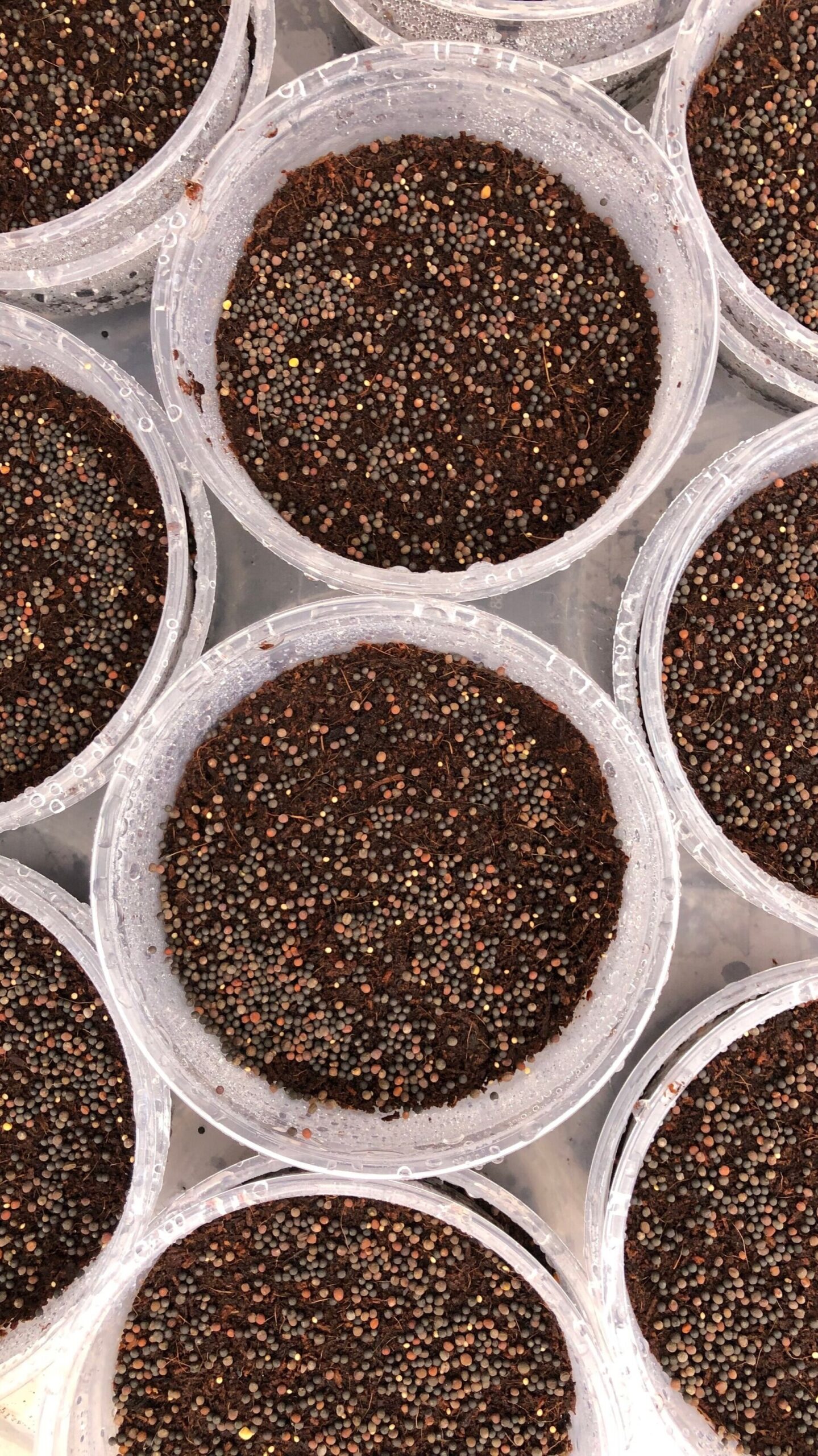
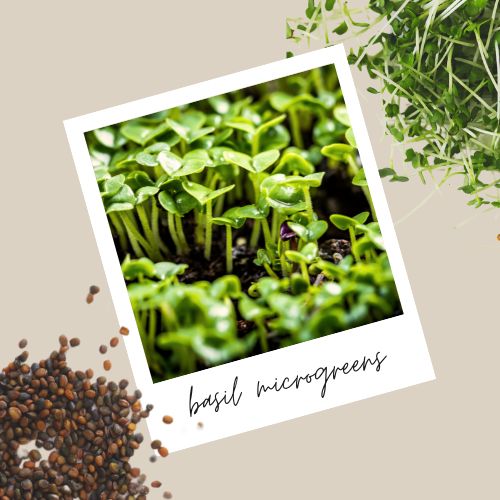
To grow microgreens, lots of seeds are sown very close together (sometimes touching). Most microgreens are left exposed to the air without any soil placed on top. Some people grow microgreens hydroponically on a “blanket” medium (think burlap) or even paper towels. The soil, if they are using it, is usually only an inch or so deep.

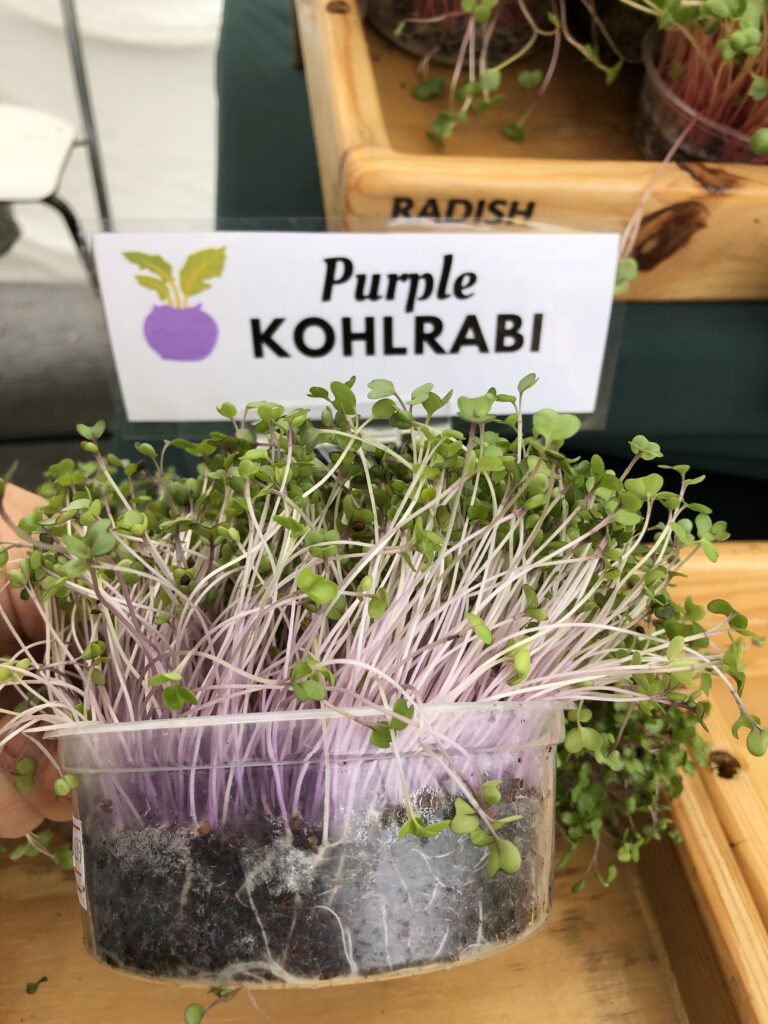
As the seeds are watered and coaxed into growing, hundreds/thousands of roots plunge into the soil only to be abruptly stopped by the bottom of a tray.
The infant plant roots begin to grow around the bottom of the tray and entangle with every other plant root. It becomes a tangle.

In the beginning, each tiny plant (microgreen) gets nearly all of its energy (food) from the seed itself. The young plant’s growth is not dependent on nutrition from the soil because the seed has all the stored energy needed to begin growing. But, as that plant grows, and uses up all the energy stored in the seed, it will need to find food and nutrients in the soil.
It is at this stage that the infant plant becomes a microgreen and is ready to eat.
At this stage— the microgreens stage— the young plants are experiencing stress. They are using up all their store seed energy and are competing with hundreds of other plants for more soil and sunlight. A little stress is good for the plants but a lot of stress will cause the plant to die.
Cutting off the stem and leaves (the microgreen) to eat will cause the young plant an extraordinary amount of stress. The plant will not be able to overcome that kind of stress to grow back. That is why microgreens don’t grow back after you harvest them.
But not cutting off the stem and leaves (leaving them growing in the tray) will also eventually cause them to have an extraordinary amount of stress causing them to die. They will die because either they don’t have enough nutrients from the soil to maintain their growth or they become so stressed they are unable to fight off disease or mold or fungus, or both. Either way, microgreens will not successfully grow to maturity in their trays.
Growing Microgreens: If I Give the Microgreens More Soil and Nutrients will they grow?
Well, maybe, but probably not. As I mentioned earlier, microgreens have been stressed out growing in their crowded and shallow trays. The roots have already wrapped around each other and have become tangled together. Consider that the microgreens are already stunted. Even if you were able to gently coax the roots apart to plant in more soil, the damage is already done.
That being said, some plants are incredibly resilient and may overcome all obstacles to grow to maturity.
My advice is simple. If you want to grow a beautiful garden with healthy mature plants don’t rely on living microgreens. Buy a packet of seeds and follow the growing and seeding density instructions, or find a nursery with healthy starts.
If you want to do an experiment, and possibly coax microgreens to maturity, go for it. But at the very least, eat most of your living tray first, and then do your experiment with the few remaining microgreens.
Onion Microgreens—The Odd Ball
Everything I just told you about growing your microgreens to maturity pretty much does not apply to onions. If you buy micro-onions, there is a very good chance you can transplant them to your garden and grow full-grown onions. Onion roots do not tangle together so much, and can be coaxed apart. I still don’t recommend it unless you know the exact variety of onion microgreen and you know whether the variety does well in your region.

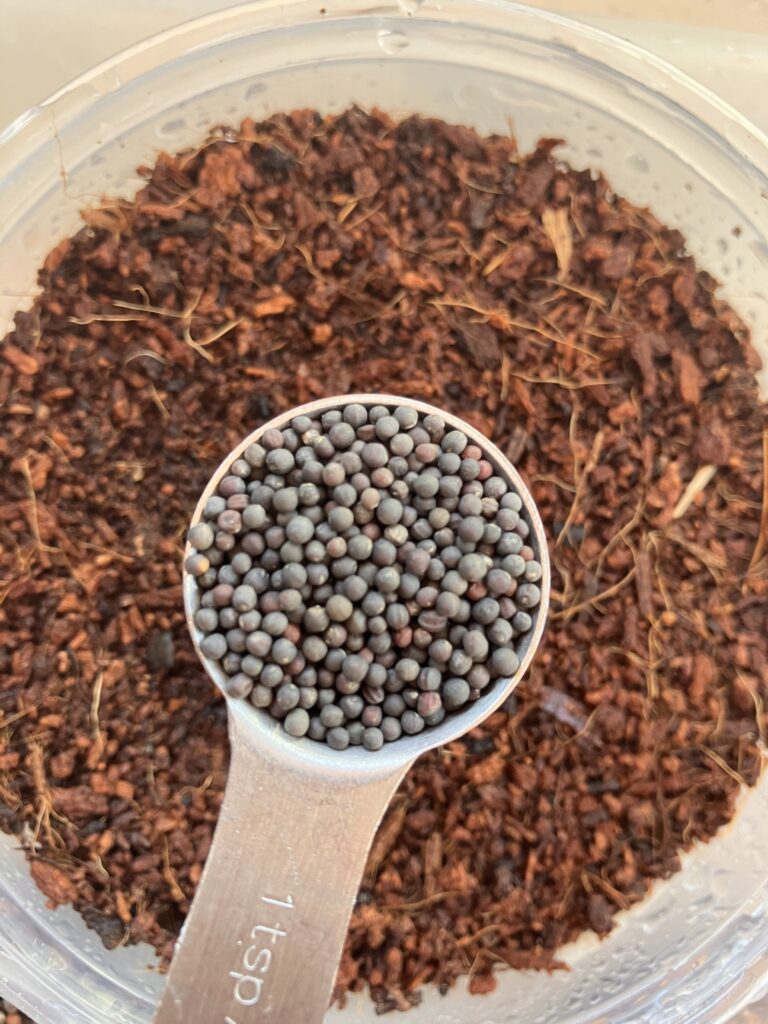
I spread spicy salad mix microgreen seeds more thinly than I would for microgreens, over good soil in a wide, shallow ceramic pot (about 4" x 13"). They grow beautifully and, at dinner time, I wander out to the balcony to snip the biggest leaves. The remainder continue to grow and produce more leaves until the plants bolt. (I live in a pretty hot climate.)
It’s not for a huge salad. But I get a handful for side flavor and this method can be scaled up to more or larger pots.
Sprinkling a few more seeds about every week keeps more coming up after them.
Sounds like you have a good system for constant salad greens. It sounds like you may be growing your plants past the microgreens stage and to the baby leaf stage. When you give your microgreens more soil, you are not stressing them out enough to grow microgreems. Limiting the amount of soil when growing microgreens is important. It stresses the tiny plants which contributes to flavor and antioxident content. I don’t have a lot experience with the baby leaf stage, but sounds like you have it down!
Hi
Will broccoli microgreen seeds grow up to full grown plant if I plant it in garden?
Please let me know
Thanks
Great question, I get this one a lot. The answer is probably not. Microgreens are grown to be stressed out on purpose. Because there are so many roots and so much stress on the little plants, they are very unlikely to grow into a productive mature plant. It’s not impossible, but it is unlikely.
They might. Sometimes microgreens seeds are a mixture of several varieties and are not selected or tested for disease or pest resistance. So, you could plant some microgreens seeds and find out in a few months. But remember, you might be putting a lot of effort into a seed variety that will perform poorly in your environment. Check with the seed company you purchased your seeds from to find out.
Hi,
Your content is amazing, I loved it a lot. We have some more tips onsimilar topic. Check out
Cheers
Sushanth
I am an Indian, As per our spiritual knowledge, it is then better to let each sprouted seed (each one has life – just like the life in us) – to grow to its full potential and feed many more other creatures (Jiva), – thanks. May the whole world get Dada Bhagwan’s Gyan (the tool for ultimate liberation!)
Leela Rani, BITS Pilani.
I left my microgreens as long as possible to see what happened. They stayed alive for a couple of months but didnt grow any higher than the original couple of inches.
I have been thinking about this from the start, appreciate it might not be your area of expertise but interested in your thoughts. From a nutritional point of view, it seems that as the greens use only the nutrients from their seeds, then the greens themselves are no more nutritional to humans as the original seeds? Sure, the leaves may undergo some photosynthesis to produce some additional sugars but as far as mineral content, surely they can only absorb the small quantities from the water they are fed. So from a nutritional point of view, we’d do just as well eating the seeds and drinking a glass of water.
The reason I am asking, is that my original microgreens instructions said to feed the greens with an organic seaweed fertiliser. I haven’t done this, but wondered if this would help increase the nutritional density of the greens by giving them some additional nutrients.
It just makes me laugh slightly that the internet is full of hyperbole about ‘amazing superfood microgreens’, when in reality they are just as beneficial as the original seeds.
Admittedly they look great and taste great and make an awesome additional to a meal so they are certainly worth growing for those reasons.
Why wouldn’t you just plant the seeds intended for microgreens the way you would plant them if they were from a small packet? You only address trying to grow them after they’ve been started in a microgreens tray. You say nothing about whether or not they would grow if planted as intended for a full size plant. Saying their little roots would be stressed only seems to apply to their crowded proximity. I’m not sure you’ve really explained why they wouldn’t grow if planted in the garden directly.
Hi there, you can certainly plant seeds from a seed packet however you’d like. This blog post helps people understand whether or not they can expect to grow a tray of microgreens to maturity. I sell living microgreens trays and I am constantly asked about what happens if someone wants to replant the tray of microgreens in their garden. This blog post explains why it is very unlikely that the already grown microgreens will reach maturity.
This post does not address planting microgreens seeds into your garden instead of buying regular seed packets. That is an entirely different post and would depend on the seed company and variety of seed you are trying to plant. Hope that cleared up the confusion